Why Winter Is Actually a Great Time to Learn to Drive in Michigan
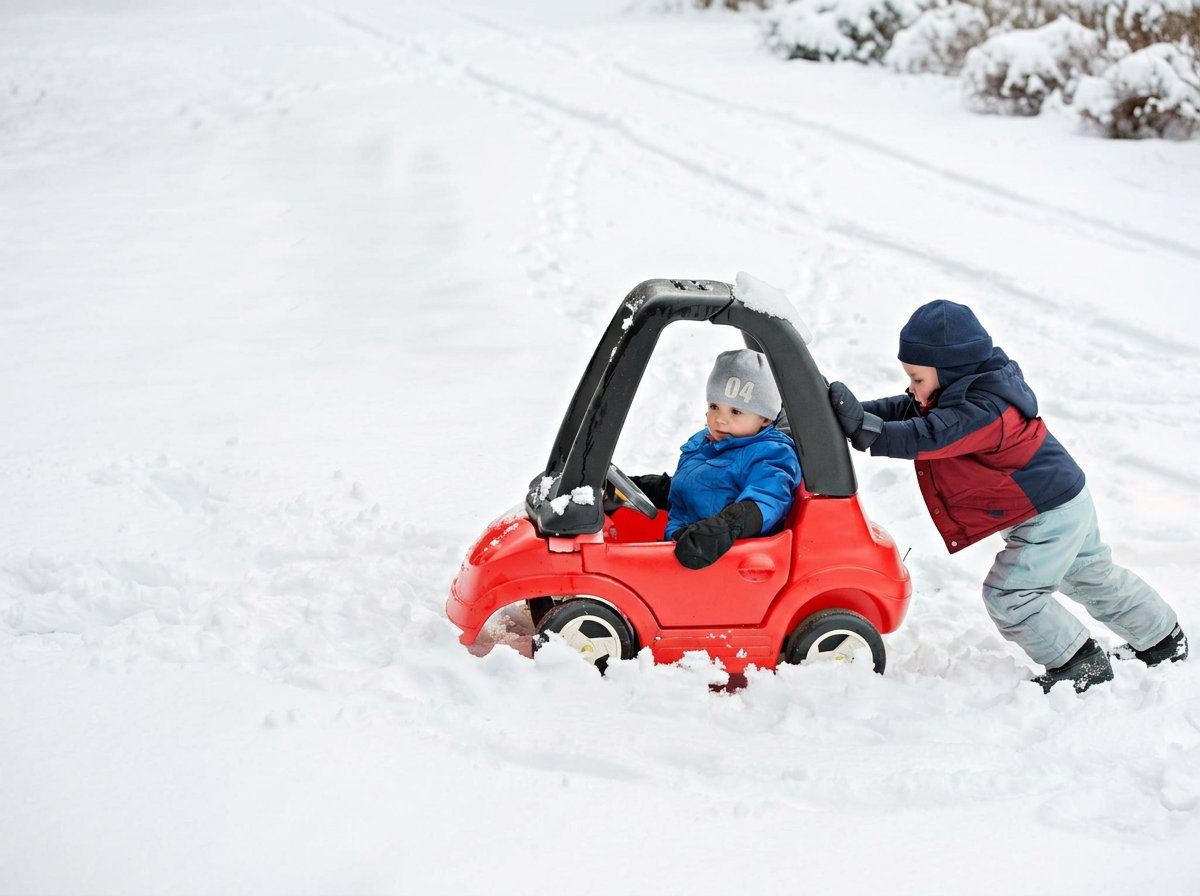
Snow. Ice. Slush. Freezing rain. Welcome to Michigan!
Most people probably wouldn’t put “learning to drive in a snowstorm” on their bucket list. But when it comes to driver training, winter can actually be one of the best times to learn.
Why? Because eventually, every Michigan driver is going to have to deal with it. You might as well learn how to handle it with a professional instructor sitting beside you.
You Can't Learn Winter Driving in July
The Michigan Department of State actually recognizes the importance of winter driving in its driver education curriculum. The state's curriculum specifically covers snow and icy conditions, reduced traction, and how those conditions affect vehicle control. You can see it for yourself in the Michigan Department of State Driver Education Curriculum Guide.
And there's a pretty good reason for that.
According to the National Highway Traffic Safety Administration (NHTSA), an estimated 101,390 police-reported crashes occurred in the United States in 2023 when snow or sleet was present. Those crashes included approximately 22,293 injury crashes and 320 fatal crashes.
That's a lot of drivers discovering that their vehicle doesn't stop quite as quickly as it does on dry pavement.
Winter driving teaches skills that simply can't be replicated on a dry summer afternoon:
How much longer it takes to stop on slippery roads
How to accelerate without spinning the tires
How to make smooth steering inputs when traction is limited
How to recognize when road conditions are deteriorating
How to increase following distance
How to slow down before a curve rather than halfway through it
How to remain calm when the road suddenly gets slippery
And perhaps most importantly, students get to experience these conditions with an experienced instructor sitting beside them.
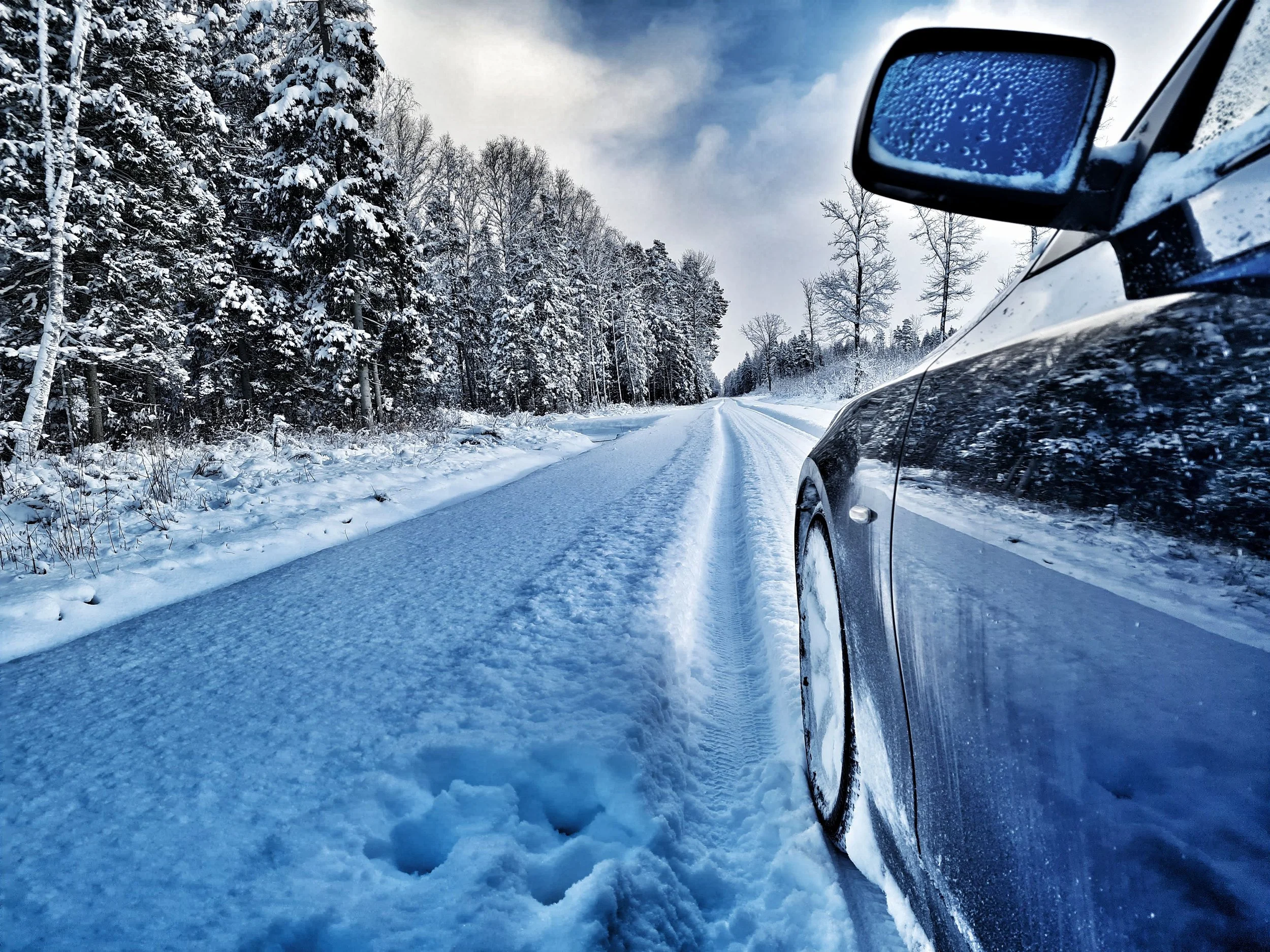
Michigan Gives New Drivers Plenty of Practice
Michigan's Graduated Driver Licensing system is designed to give new drivers experience before they are driving independently. Teens complete Segment 1, receive their Level 1 license, complete supervised driving, and progress through Segment 2 before eventually taking the driving skills test. The Michigan Secretary of State's New Driver information explains the requirements in detail.
That supervised driving is important because driving isn't something you truly learn by memorizing a textbook.
You learn it by doing it.
And if your driver training happens to take place during a Michigan winter, that's not necessarily a bad thing. It's an opportunity to experience different road conditions while you still have an experienced adult in the passenger seat.
So... Should You Actually Want Snow?
Maybe not.
Nobody is suggesting you hope for a blizzard on your way to driver's training.
But if winter weather arrives during your training, don't look at it as a ruined lesson. Look at it as real-world experience you probably won't get anywhere else.
Because eventually, you'll be driving alone and you'll encounter that first snowy morning when the roads are covered, visibility is terrible, and someone in front of you decides that 55 mph is still a perfectly reasonable speed.
That's when you'll be glad you learned how to handle winter driving before you needed to.
Summer teaches you how to drive. Michigan winter teaches you how to drive in Michigan.
And that's a lesson worth having.
Learn More
For official information about Michigan's Graduated Driver Licensing system and driver education requirements, visit the Michigan Secretary of State's New Drivers page.
For winter driving safety information and national crash statistics, see NHTSA's Winter Driving Tips.
So if your teenager starts driver's training this winter, don't worry about the snow. It might just be the most useful part of the course.